Massachusetts parents have a few distinct advantages when raising healthy smiles. The state’s water systems are largely fluoridated, school nurses are accustomed to dental emergencies on playgrounds and fields, and access to specialty care is stronger than many parts of the country. Those advantages only go so far if daily habits falter or dental visits get postponed during busy seasons. After twenty years working with families from Pittsfield to Provincetown, I’ve seen the same patterns repeat: small, consistent steps at home, a dentist who partners rather than lectures, and an early plan for common roadblocks. The guidance below blends clinical know‑how with real family logistics, from managing sports mouthguards to getting a kindergartner through a filling without tears.
Getting the timing right for first visits and beyond
The first dental visit should happen by the first birthday or within six months of the first tooth erupting. That early timing is not about drilling or x‑rays. It is a coaching session for parents, an exam to spot enamel defects, and a chance to normalize the dental chair before fears take root. I often do a knee‑to‑knee exam for toddlers, where the child sits on a parent’s lap facing them, then leans back so their head rests in my lap. It lasts minutes, and that gentle start pays off when bigger appointments come along.
After that initial visit, twice‑yearly checkups fit most children, but frequency should match risk. Kids with visible plaque at every visit, sugary drinks in their daily routine, or a history of lesions between the teeth benefit from three or even four cleanings per year. Massachusetts insurers often cover extra fluoride varnish for higher‑risk kids, especially through MassHealth, which can make that increased cadence achievable.
Fluoride, sealants, and realistic home care
Most communities in the state provide optimally fluoridated water, but not all families drink tap water. If your household relies on bottled or filtered water, ask your dentist whether your filter strips fluoride and whether a supplement makes sense. For home brushing, a rice‑sized smear of fluoride toothpaste works for toddlers, a pea‑sized amount for kids over three. Flossing should start as soon as any two teeth touch, which for many children means the back molars around age two to three.
Sealants on the permanent first molars, which erupt around ages six to seven, are one of the highest‑value interventions we have. In a typical practice, I see roughly a 50 to 70 percent reduction in biting‑surface cavities on sealed teeth over several years, and the resin can be reapplied if it chips. Second molars, arriving around ages eleven to thirteen, deserve the same attention. School sealant programs operate in several Massachusetts districts through Dental Public Health partnerships, particularly in Gateway Cities, and they are worth saying yes to if your dentist does not offer sealants promptly when those molars erupt.
Nutrition that meets New England reality
The sports schedule and the winter climate both shape kids’ diets here. Hot chocolate after sledding, sports drinks during tournaments, sticky granola bars on ski days. Instead of trying to outlaw favorites, control frequency and timing. Sip sugary drinks in one sitting with a meal rather than nursing them through an afternoon. Swap a chewy bar for nuts and cheese when possible. Rinse with water after treats. Small shifts like these lower the time teeth spend bathing in acids that feed cavity‑causing bacteria.
One pattern I see each winter is bedtime snacks creeping later and brushing routines getting loose. If your child eats after brushing, the brush did not count. Brushing should be the last step most nights, and younger kids still need hands‑on help. I tell parents to keep brushing “by you or beside you” until fourth or fifth grade, checking the gumline for plaque. Older kids argue they do great on their own, and then we disclose plaque with a dye and show the truth in the mirror. That brief reality check changes behavior more than lectures do.
When x‑rays matter and when they can wait
Parents commonly ask whether x‑rays are necessary. I follow ALARA - as low as reasonably achievable - which means we take images only when the result would change care. For a low‑risk child with wide tooth spacing and no visible issues, bitewing x‑rays might wait until ages six to eight, then repeat every 12 to 24 months. For kids with tight contacts, visible decay, or pain, we take them sooner. Modern digital sensors, thyroid collars, and rectangular collimation make the dose very small. If your child is in orthodontic treatment, panoramic or cone‑beam images might be recommended by Orthodontics and Dentofacial Orthopedics to map impacted teeth or root positions, and that decision should include a clear explanation of why the information matters.
Building a comfort plan for anxious kids
Anxiety often starts with a rough first encounter, not with the dental care itself. We use tell‑show‑do religiously: explain a step in kid‑friendly terms, demonstrate on a finger or tooth model, then do the step. I avoid phrases that trigger fear. We numb teeth with “sleepy jelly” first, then use a warm local anesthetic, and I say, “Your lip is getting puffy,” not “This will hurt.” For some children, noise is the primary stressor, so I keep a basket of over‑ear headphones and play a favorite playlist.
If behavioral strategies do not get us there, Pediatric Dentistry specialists can layer in options like nitrous oxide. Nitrous is a light level of Dental Anesthesiology that helps kids relax and makes time move faster for them. Children keep their protective reflexes, breathe on their own, and the effect wears off within minutes of turning it off. For extensive treatment on very young or special needs patients, treatment under deeper sedation or general anesthesia might be safest. That step requires careful medical screening, a hospital or accredited surgical center, and a team trained in pediatric airway management. Massachusetts families benefit from proximity to Boston Children’s Hospital and several community hospitals with robust dental anesthesia programs.
Cavities, nerve care, and when a baby root canal is right
Not every cavity in a baby tooth needs a filling, and not every cavity can be watched. The depth, rate of progression, and the tooth’s expected lifespan guide the plan. Interproximal lesions that shadow on x‑rays through the enamel but not the dentin can sometimes be arrested with fluoride varnish, sealants, and diet changes. Once decay enters dentin or the tooth hurts spontaneously, delaying treatment risks infection.
When decay reaches the nerve of a baby molar, we use pulpotomy - often nicknamed a “baby root canal” - to remove the top portion of the inflamed pulp while preserving the healthy root tissue. This is Endodontics adapted for primary teeth, and done correctly, it keeps a tooth comfortable and functional until it naturally exfoliates. Stainless steel crowns go over these teeth in many cases because they protect more reliably than a large filling on a soft primary molar. Parents sometimes balk at a crown on a baby tooth, but I have seen the difference play out a thousand times: a strong crown means chewing without pain and fewer emergency calls.
If an abscess develops, an antibiotic alone is not a fix. It can quiet swelling, but it cannot remove the source. The tooth needs definitive care - extraction or endodontic therapy - to prevent recurrent infection. Your dentist should walk you through the trade‑offs. Extracting a primary molar early can create spacing problems, so a space maintainer may be needed until the permanent successor erupts.
Orthodontics: timing, habits, and the growth window
Massachusetts parents often hear about two‑phase orthodontics, and they wonder whether early treatment is necessary. Most children benefit from an orthodontic evaluation around age seven, when first molars and incisors are in. That does not mean braces start right away. The first visit checks for crossbites that stress the jaw joints, severe crowding that risks impaction, and habits like thumb sucking that change growth patterns. When we catch a posterior crossbite early, a palatal expander can correct it in months, taking advantage of a growth window. Habit appliances, coupled with positive reinforcement, help a stubborn thumb habit fade without shame.
A large percentage of kids do just fine with a single comprehensive phase in early adolescence after most permanent teeth erupt. The Orthodontics and Dentofacial Orthopedics specialist should explain why a two‑phase plan is recommended, and what benefit the early phase provides beyond cosmetics. Ask to see the predicted growth pattern and how timing affects airway, joint health, and long‑term stability.
Sports, playgrounds, and dental emergencies
I keep a mental map of Massachusetts by calls received on Saturday afternoons in the fall. Soccer fields lead the list, with skateparks a close second. The most common injuries are fractured incisors and luxations where a tooth is pushed out of position. A properly fitted mouthguard reduces risk of broken teeth and soft tissue injuries. Boil‑and‑bite guards from the pharmacy are better than nothing, but they often fit poorly. A custom guard from your dentist, particularly for kids in braces, stays put during contact and lets them breathe well during sprints.
For parents, the first minutes after an injury matter. If an adult tooth is avulsed - completely knocked out - pick it up by the crown, not the root. Rinse gently if dirty, then try to replant it in the socket right away. If that is not possible, place it in cold milk and get to a dentist within 60 minutes. Do not replant a baby tooth; the risk to the developing permanent tooth is too high. For a chipped tooth, save the fragment if you can. Many can be bonded back like a puzzle piece. For any injury beyond a mild chip, a panoramic or periapical x‑ray helps detect root fractures and assess the developing tooth germ, which brings Oral and Maxillofacial Radiology into the picture. When facial lacerations are significant or a jaw fracture is suspected, an Oral and Maxillofacial Surgery team should evaluate the child, often through an emergency department.
Managing pain wisely, from teething to orthodontic adjustments
Pain management for kids should be simple, safe, and based on clear dosing. For most dental pain, ibuprofen or acetaminophen works well. Avoid aspirin in children. For teething, cold washcloths and silicone chew rings keep it manageable; numbing gels that contain benzocaine are not advised for infants due to the risk of methemoglobinemia. For orthodontic soreness after a wire change, soft foods for a day or two and wax on poking brackets help more than parents expect.
Persistent orofacial pain that does not align with a typical dental cause deserves a broader lens. Orofacial Pain specialists can assess temporomandibular joint disorders, neuropathic pain, and headaches that mimic dental problems. I have seen a handful of teenagers referred for “molar pain” that turned out to be migraine variants. Getting the diagnosis right spares a lot of drilling.
The silent work of gum health in kids
Periodontal disease in children looks different than in adults, but gums still matter. Puffy, bleeding tissue around braces is common when brushing and flossing lag. A focused three‑month cleaning schedule during orthodontics can save a lot of grief later. In kids with systemic conditions or genetic syndromes, more aggressive forms of periodontitis can appear. Signs include rapid recession or bone loss not explained by plaque. A Periodontics consult may be appropriate to guide both hygiene and medical work‑ups.
For most families, gum health comes down to technique. Angle the bristles 45 degrees toward the gumline, make gentle circles, and slow down around the molars. Power brushes help many kids, not because they inherently clean better, but because they make the process more fun and create a consistent motion. I have watched a reluctant nine‑year‑old transform after we put a compact‑head power brush in their hand and challenged them to paint every tooth shiny.
When white or brown spots appear on teeth
Not every spot is a cavity. Hypomineralization can leave white chalky patches on incisors or molars, particularly first permanent molars. They are more prone to sensitivity and decay, and sometimes they need sealants or even partial coverage crowns early. Brown or orange stains at the gumline often reflect plaque and chromogenic bacteria rather than decay. Your dentist can polish them away and reinforce technique to prevent recurrence.
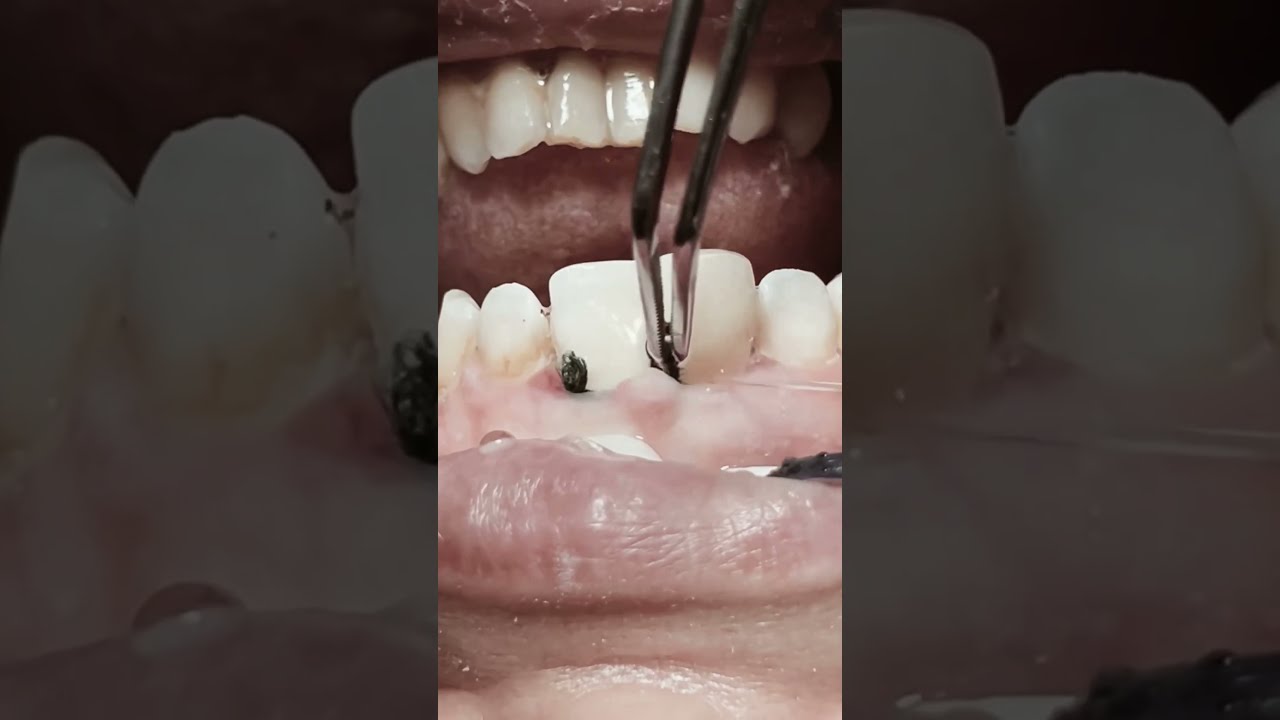
There are also lesions that are not bacterial in origin. Oral and Maxillofacial Pathology and Oral Medicine specialists evaluate recurrent ulcers, pigmented lesions, and unusual growths. Most turn out benign or reactive, but any lesion that persists beyond two weeks without improvement deserves a professional look. In Massachusetts, referral networks among pediatric dentists and academic centers are strong, so ask for a second set of eyes if something lingers.
Special needs dentistry and care coordination
Families of children with autism spectrum disorder, sensory processing differences, cardiac conditions, or complex medical histories navigate more variables. Routine dental care is still possible, but it requires planning. We schedule shorter, predictable visits at the same time of day, use the same operatory when possible, and build a visual schedule so children know what comes next. For cardiac conditions that require antibiotic prophylaxis, the American Heart Association guidelines shape our plan, and we coordinate with cardiology. Some children thrive with desensitization visits that are purely exploratory, no instruments in the mouth the first time, then a brief polish the next, gradually layering steps until a cleaning is successful.
When deeper care is needed, collaboration with Dental Anesthesiology and hospital dentistry ensures safety. Many Massachusetts hospitals offer integrated clinics where dental teams coordinate with pediatricians, neurologists, or hematologists who know the child well. Families often tell me the most helpful part is continuity - the same faces, the same routine, fewer surprises.
Crowns, space holders, and growing smiles
Parents sometimes ask about Prosthodontics in children and wonder if that applies only to adults. In pediatrics, we do use prosthetic principles, though we focus on conservative approaches that respect growth. Stainless steel crowns act like full‑coverage restorations for baby molars. Resin‑based crowns or prefabricated zirconia crowns may be chosen for front teeth when esthetics matter. After early tooth loss, a band‑and‑loop space maintainer or a lower lingual holding arch can preserve space and guide eruption. Those appliances require maintenance, and broken cement or loose bands can trap food, so regular checks are not optional.
For adolescents missing a permanent tooth congenitally, usually a lateral incisor or second premolar, long‑term planning bridges Pediatric Dentistry, Orthodontics and Dentofacial Orthopedics, and ultimately Prosthodontics. Orthodontists can either open space for a future implant or close space and reshape adjacent teeth. Implants typically wait until growth is complete, which for many teens means late high school or beyond. In the interim, a bonded Maryland bridge or an Essix retainer with a tooth works aesthetically without drilling healthy neighbors.
Deciding when to refer to a specialist
A strong general pediatric dentist handles most care. Still, the best outcomes often come from timely referrals:
- Orthodontics and Dentofacial Orthopedics: crossbites, severe crowding, impactions, growth modifications. Endodontics: complex root canal anatomy on permanent teeth, trauma with root resorption. Periodontics: aggressive periodontal changes, mucogingival defects around erupting canines. Oral and Maxillofacial Surgery: impacted teeth requiring exposure, pathologies needing biopsy, facial trauma. Oral Medicine and Oral and Maxillofacial Pathology: persistent ulcers, lumps, pigment changes, burning mouth complaints.
Your dentist should explain why, what the specialist will add, and how the teams will communicate. I encourage parents to keep a shared folder with radiographs, letters, and a running medication list, especially when several specialties are involved.
Insurance, access, and making the most of Massachusetts resources
The funding landscape in Massachusetts is not perfect, but it compares well. MassHealth covers comprehensive pediatric dental services, including exams, cleanings, fluoride, sealants, fillings, and medically necessary orthodontics. Private plans vary, with annual maximums that can be reached quickly in a year with orthodontics or extensive restorative care. Ask your dental office to stage treatment to make clinical sense and protect benefits when possible. If coverage is limited, prioritize active disease and pain, then work through long‑term maintenance.
For families struggling to find a provider who accepts their plan, look to community health centers, dental hygiene schools, and hospital‑based pediatric dental clinics. The Forsyth Institute and university programs in the state participate in Dental Public Health initiatives and can point you toward sealant days, reduced‑fee clinics, or specialty referrals. Schools often host mobile programs that apply fluoride varnish twice a year; if your child is at higher risk, that extra layer helps.
Setting up your home routine for success
A well‑organized bathroom makes a bigger difference than most realize. Place brushes and floss where kids see them, add a step stool, and keep a small cup for rinsing. Use a two‑minute timer or a favorite song that lasts about that long. For siblings, friendly rivalry works. I have watched two brothers compete on how clean the blue plaque disclosing rinse leaves their teeth after brushing, and both won with healthier gums.
Here is a short checklist you can post on the fridge:
- Brush morning and night with fluoride toothpaste, last thing before bed. Floss any contacts that touch, ideally nightly after age six to seven. Reserve sugary drinks for mealtimes and rinse with water afterward. Wear a mouthguard for contact sports, skateboarding, and biking. Schedule the next checkup before you leave the current one.
Small children respond to routines better than rules. Tie brushing to the same daily anchors - after breakfast, after the bedtime story - so you are not negotiating a new battle every night.
What to expect during common procedures
Parents feel calmer when they know the flow. A typical filling visit for a child involves topical anesthetic for 60 to 90 seconds, local anesthetic delivered slowly, placement of a rubber dam or isolating device to keep the tooth dry, removal of decay, and a bonded composite filling. The dam looks strange, but it lets us work faster, keeps saliva away, and prevents any debris from touching the throat. If nitrous oxide is used, a scented nose mask goes on, the child breathes normally, and the flow stops at the end with oxygen for several minutes.
For stainless steel crowns on baby molars, shaping the tooth usually takes five to seven minutes per tooth, and the crown is cemented in place. Kids are often surprised by the “tin tooth” in the mirror, then they show it proudly to classmates. Post‑op care is straightforward: avoid sticky foods for a day and expect the numb lip to feel odd for a couple of hours. I ask parents to watch younger kids closely until the numbness fades to prevent cheek biting.
Radiology, pathology, and the diagnostic safety net
When a radiograph shows an unusual radiolucency or radiopacity, I lean on colleagues in Oral and Maxillofacial Radiology to interpret subtle patterns. A unilocular radiolucency around an unerupted tooth might be a dentigerous cyst, while a multilocular pattern raises a different list. This matters if we plan surgical exposure for a canine or consider early extraction. If a biopsy is warranted, Oral and Maxillofacial Surgery performs it, and Oral and Maxillofacial Pathology confirms the diagnosis. These specialties seem distant from baby teeth until the rare case lands in front of you. Having relationships with those teams speeds answers and keeps treatment on track.
Teaching kids to be owners of their oral health
By middle school, children can understand cause and effect. I show them the bacteria on disclosing tablets, the difference a mouthguard makes on impact tests, and how a sealant blocks the deep grooves where plaque hides. Ownership grows when kids see the logic. Some practices use cavity risk scores; I prefer a simpler conversation. If plaque returns at the next visit, we do a short refresher at the sink again. When kids improve, we tell them plainly: you changed your habits and your gums are healthier. That feedback loop is stronger than any sticker chart.
A note on fairness and equity
Not every family has the margin to schedule preventive care easily. Work shifts, transportation, and language barriers make it harder than it sounds. Dental Public Health efforts in Massachusetts try to close that gap, but I remind colleagues and parents alike that empathy is a clinical tool. If a child misses a visit for reasons outside a parent’s control, meet them where they are and offer the next best step, not a reprimand. A warm handoff to a clinic with evening hours or a reminder text in the family’s preferred language can change a child’s trajectory.
When to worry, when to watch
Parents sometimes ask me for a rule of thumb. Here is a simple one:
- Pain that wakes a child from sleep, swelling that spreads, or fever alongside tooth pain needs prompt care. Sensitivity to cold that stops when the stimulus is gone can be monitored briefly, but if it worsens, schedule a check. A spot that looks like a line crack but does not hurt is often enamel craze; photograph it and show your dentist at the next visit. A mouth sore that has not improved in two weeks should be examined.
Trust your instincts. If something looks or feels off, call. Dentists would rather reassure you early than meet you in the emergency room at midnight.
The long view: from baby teeth to confident teens
Good pediatric care is not a string of isolated appointments. It is a relationship that starts with a toddler toddling around the operatory and ends with a teenager who can schedule their own cleaning. Along the way, you will make dozens of small decisions: when to push a brushing habit, when to choose a crown, whether to start early orthodontics, how to handle a chipped tooth from a basketball game in Lowell or a ski fall in Wachusett. Use your dental team as guides. Expect clear explanations, honest trade‑offs, and coordination across specialties when needed.
Massachusetts provides a helpful backdrop - fluoridated water, robust specialty networks, and strong public health programs - but the real work happens at your kitchen sink and in the small rituals you keep. If you anchor those rituals now, your child will carry them into adulthood, and those early visits Best Dentist in Boston will become stories you laugh about together, not memories you wince at.
Ellui Dental
10 Post Office Square #655
Boston, MA 02109
https://www.elluidental.com
617-423-6777